

DETROIT DIESEL
Engine Systems
clean tray is held up to the light, an even pattern of light should be visible. It may be necessary, only as a last resort, to
burn off the lint. Extreme care must be taken to prevent melting the galvanized coating in the tray screens. Some trays
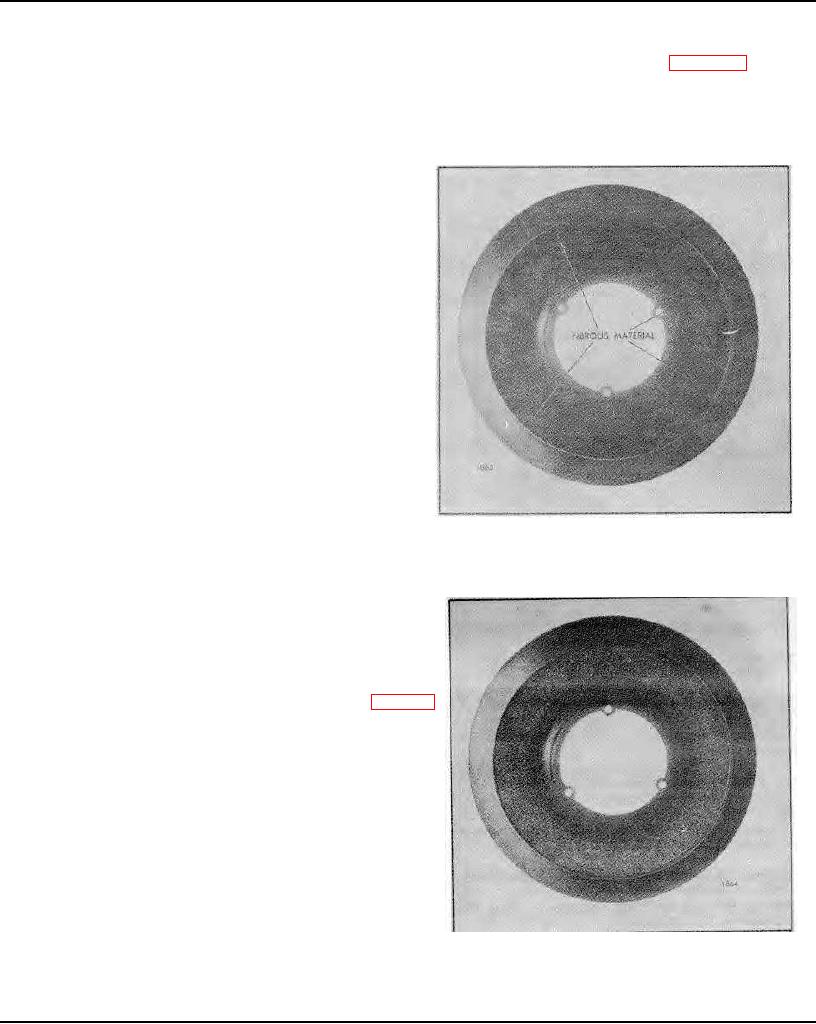
have equally spaced holes in the retaining baffle. Check to make sure that they are clean and open. Figure 11 illustrates
a thoroughly cleaned tray. The dark spots in the mesh indicate the close overlapping of the mesh and emphasize the
need for using compressed air or steam. It is suggested that users of heavy-duty air cleaners have a spare tray on hand
to replace the tray that requires cleaning. Having an extra tray available makes for better service and the dirty tray can
be cleaned thoroughly as recommended. Spare trays are well worth their investment.
3. Pour out the oil, separate the inner cup or baffle from the
oil or outer cup, remove the sludge and wipe the baffle and
outer cup clean.
4. Clean and inspect the gaskets and sealing surfaces to
ensure an air tight seal.
5. Reinstall the baffle in the oil cup and refill to the proper
oil level with the same grade of oil being used in the engine.
6. Remove the hood and clean by brushing, or by blowing
out with compressed air. Push a lint-free cloth through the
center tube to remove dirt or oil from the walls.
7. Inspect the lower portion of the air cleaner body and
center tube each time the oil cup is serviced. If there are any
indications of plugging, the body assembly should be removed
from the engine and cleaned by soaking and then flushing with
clean fuel oil. Allow the unit to drain thoroughly.
8. Place the removable element in the body assembly.
Fig. 10. Air Cleaner Tray (Plugged)
Install the body if it was removed from the engine for
servicing.
9.
Install the outer cup and baffle assembly. Be sure the cup is tightly secured to the body assembly.
All oil bath air cleaners should be serviced as operating
conditions warrant. At no time should more than 1/2"of "sludge"
be allowed to form in the oil cup or the area used for sludge
deposit, nor should the oil cup be filled above the oil level mark.
The United Specialties dry-type air cleaner shown in Fig. 12
consists of a body, dust unloader and element clamped to a
base.
Air is drawn through the cleaner intake pipe and is automatically
set into a circular motion. This positive spinning of the dirty air
"throws out" the heavier particles of dust and dirt where they are
collected in the dust port and then expelled through the dust
unloader. The circular action continues even during low air
intake at engine idle speeds.
The United Specialties dry-type air cleaner should be serviced,
as operating conditions warrant, as follows:
Fig. 11. Air Cleaner Tray (Clean)
Page 19